Air Conditioning Repair: Keep Your Home Pleasant This Summer
As summer gets near, the importance of a fully operational air conditioning system becomes increasingly apparent. Homeowners must be vigilant for signs demonstrating that repairs are vital. Peculiar sounds or inconsistent temperature levels can communicate underlying issues. Periodic maintenance not only extends the duration of the life of the unit but also promises peak performance. Learning about routine issues and knowing when to act can make all the difference in upholding a relaxing indoor environment during the heat of the season.
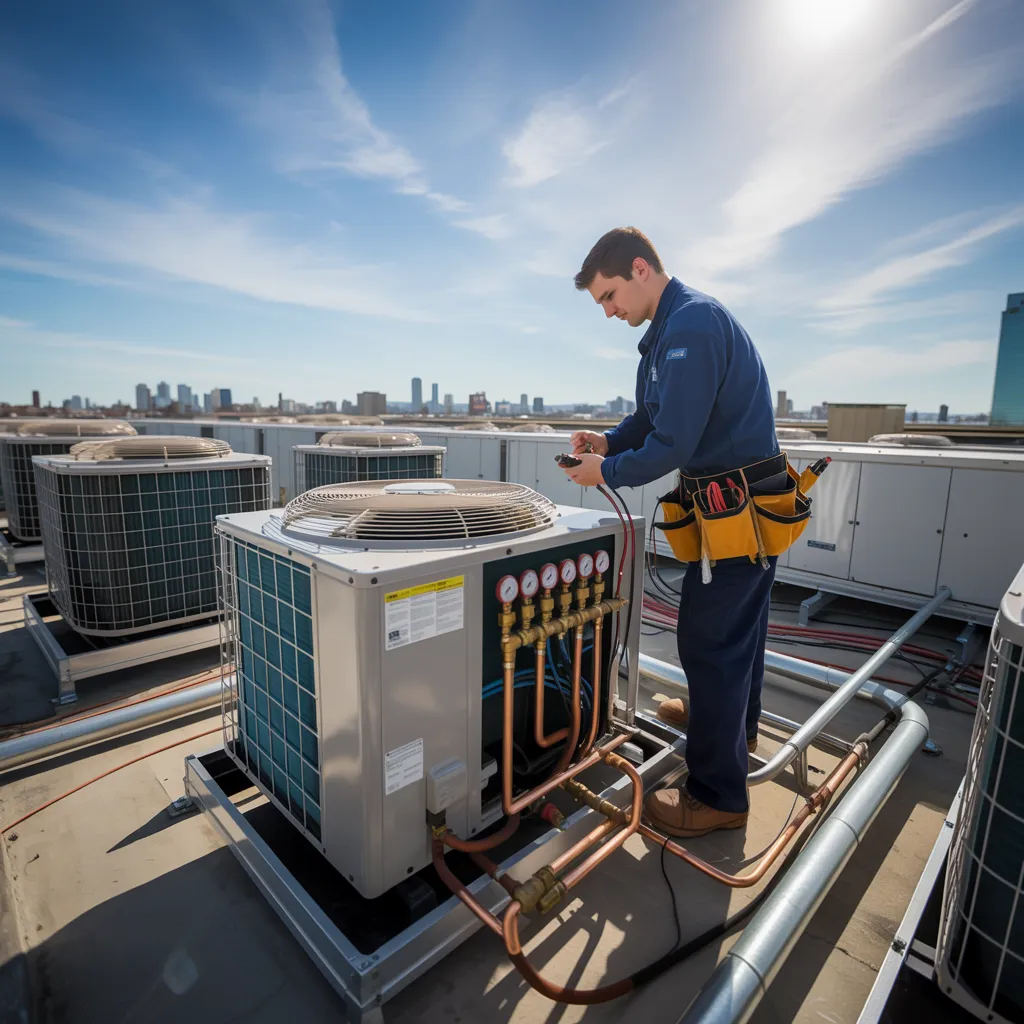
Indicators Your AC Requires Service?
When homeowners observe unusual changes in their indoor temperature, it often signals that their air conditioning system may require repair. Other clues include strange noises, such as grinding or hissing, which can suggest mechanical problems or refrigerant leaks. Furthermore, pooling water around the unit may indicate a blocked drain line or a refrigerant leak, both of which demand immediate attention. Homeowners should also be alert to unusual odors emanating from the AC, as these may signal mold growth or electrical issues. If the system frequently cycles on and off, it could be a sign of an inefficient thermostat or other hidden issues. Finally, a noticeable increase in energy bills without a change in usage patterns can point to a faulty unit. Recognizing these signs early can prevent more extensive damage and ensure the air conditioning system functions efficiently.
Standard Air Conditioning Issues to Be Aware Of
Within the field of air conditioning maintenance, certain problems frequently arise that warrant attention. Low airflow troubles can suggest clogs or mechanical difficulties, while strange noises may reveal underlying mechanical concerns. Detecting these indicators early can prevent costly repairs and guarantee peak system performance.
Low Airflow Problems
Reduced air circulation issues can significantly affect an air conditioning system's efficiency and indoor comfort. These problems typically stem from dirty filters, which limit air flow and force the system to operate more intensely. Furthermore, obstructed ductwork and vents can prevent cool air from moving properly across the home. One more potential cause is a faulty blower motor, which might fail to push air adequately. Property owners should frequently check and swap out filters, ensuring ducts are free from blockages. Ignoring low airflow can lead to higher energy costs and can stress the system, resulting in more serious issues down the line. Tackling these concerns promptly helps maintain peak performance and prolongs the lifespan of the air conditioning unit.
Unusual Noises Surfacing
Odd sounds from an air conditioning unit can indicate hidden issues that require immediate attention. Common sounds like grinding, hissing, or rattling frequently point to mechanical faults. A grinding sound may suggest worn bearings or a motor that is malfunctioning. Hissing typically indicates refrigerant leaks, which lower efficiency and lead to expensive repairs. Rattling noises often come from loose components or debris inside the unit. These noises should not be overlooked as they might escalate into more serious problems if not addressed. Timely maintenance and diagnosis by a professional technician can contribute to resolving these issues, making sure the air conditioning system operates efficiently during the summer months. Homeowners should pay attention to these noises carefully to ensure optimal performance.
Critical Maintenance Pointers to Optimize Your AC Efficiency
Preserving ideal air conditioning operation requires a few essential methods. Regularly replacing or cleaning air filters is important, as dirty filters restrict airflow and reduce efficiency. Homeowners should check filters monthly and replace them every one to three months, depending on usage. Keeping the outdoor unit clear of debris, such as leaves and dirt, also improves airflow, allowing the system to operate at peak efficiency.
Moreover, coordinating annual expert maintenance can recognize probable complications before they progress. Technicians can service coils, inspect coolant measurements, and verify all components are operating optimally. Homeowners should also investigate duct sealing to avoid air leaks, which can result in energy waste. Finally, programming the thermostat for consistent temperature can prevent system strain on the system. By executing these key care strategies, homeowners can optimize AC system performance and establish a comfortable, pleasant atmosphere during the summer months.
The Benefits of Quick AC Maintenance
Swift air conditioning maintenance are vital for ensuring ideal system efficiency and durability. When problems develop, delaying repairs can amplify minor problems, causing more serious deterioration and expensive new units. A faulty AC unit can also cause increased energy bills, as the system works more intensively to sustain desired temperatures. Moreover, quick maintenance help preserve indoor air quality, as neglected systems may develop mold or accumulate allergens and dust, potentially affecting wellbeing.
Resolving AC difficulties rapidly can stop system breakdowns during busy summer months when demand is high. Homeowners may face discomfort and trouble if their unit fails abruptly. Additionally, quick repairs can extend the lifespan of the air conditioning system, supplying long-term savings and efficiency. Ultimately, emphasizing quick repairs guarantees comfort and also protects the investment made in the air conditioning system, making it a vital aspect of home maintenance.
DIY AC Maintenance Tips
Understanding AC problems can help homeowners to handle minor problems before they worsen. One of the initial steps is to verify the thermostat settings; making sure it's set to "cool" and the preferred temperature is suitable can resolve many problems. Homeowners should also inspect the air filter, as a clogged filter can limit airflow and stress the system. Maintaining the filter regularly is essential for peak performance.
Next, inspecting the external component for debris or obstructions is vital. Removing foliage, dust, and various debris can enhance airflow and efficiency. Additionally, assessing for ice buildup on the cooling coils can reveal a refrigerant issue or airflow obstruction.
Finally, paying attention to strange noises during operation may suggest mechanical issues. By adhering to these straightforward troubleshooting tips, homeowners can often pinpoint and fix minor AC problems, ensuring their home remains cool throughout the summer months.
When is it time to bring in a professional for AC service?
When confronted with ongoing air conditioning issues, how can property owners determine when it's time to contact a professional? A few key signs can guide this choice. First, if the unit is blowing warm air despite being set to cool, it may indicate a refrigerant leak or compressor issue. Additionally, strange noises, such as grinding or screeching, often signal mechanical failures that require expert attention.
Repeated on-off switching, where the unit turns on and off repeatedly, can also indicate deep-seated issues that could decline over time. Homeowners should be mindful of elevated utility bills, as system failures often result from damaged components.
Finally, if the system is over 10 years old and requires multiple repairs, it may be more cost-effective to contact a specialist for a thorough inspection. Noticing these warnings can help make sure that the air conditioning system functions optimally throughout the summer months.
Main Elements Affecting AC Service Costs
Recognizing the need for qualified AC work is just the beginning; understanding the factors that shape repair fees is equally vital. Several considerations can markedly affect the final amount. First, the type of repair needed takes a crucial position; minor fixes typically cost less than major assembly replacements. The age and brand of the air conditioning unit also signify, as older models may call for specialized parts that are harder to find and more high-priced.
Labor charges depend on region and provider, with some technicians charging higher rates due to their expertise or demand. Also, the time of year can impact pricing, as repairs are often costlier during peak summer months when demand surges. Lastly, additional services, such as regular check-ups or diagnostic fees, may increase the overall expense. Being aware of these factors enables homeowners to make informed decisions when seeking AC repair services.
Frequently Asked Questions
What Frequency Should I Establish for Professional AC Care?
Specialists recommend planning AC maintenance at least once a year, preferably before the summer months commences. Frequent inspections can avoid breakdowns, enhance performance, and maximize the life of the air conditioning system.
May I Run My AC When the Power Goes Out?
When a power outage happens, air conditioning units are unable to discover the facts work, since they depend on electricity. Nevertheless, certain residents might use power generators to supply power to their systems on a short-term basis, maintaining comfort until electricity is restored. Careful precautions are vital when employing this approach.
What Positive Outcomes Will Upgrading My AC System Deliver?
Modernizing an cooling unit enhances energy efficiency, reduces utility bills, elevates atmosphere quality, amplifies relaxation, and typically delivers cutting-edge options such as automated systems. These benefits enhance a more responsible and enjoyable residential space.
How Can I Optimize Air Quality Within With My AC?
Improving indoor air quality with an AC system involves frequent filter replacements, ensuring proper ventilation, using air purifiers, and maintaining ideal humidity levels. These steps help reduce allergens and pollutants, promoting a healthier indoor environment.
What energy-efficient AC options are available for my living space?
Many energy-efficient air conditioning choices are available, such as inverter systems, ductless mini-splits, and ENERGY STAR-rated units. These alternatives decrease energy consumption while preserving comfort, ultimately resulting in lower utility bills and a smaller environmental footprint.